
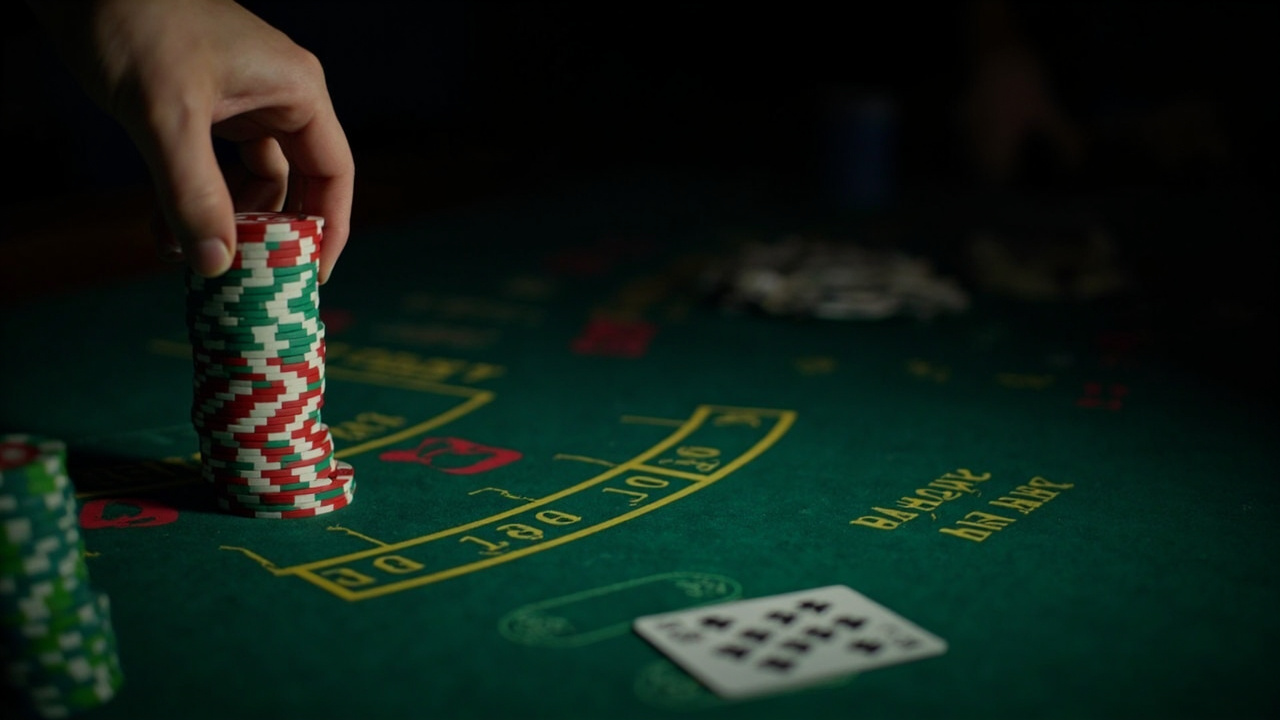
When a welcome package wears off, the real maths of a casino starts to matter more than the first deposit. House edge explained casino is not a warning label; it is the built-in advantage the operator carries on every bet, expressed as a percentage of wagered money the game expects to retain over time. For an Australian player weighing a repeat session, that figure tells you how a slot, table game, or live dealer deal behaves once the promo money is gone. Volatility, return to player, and bet sizing all interact with that edge, and the same percentage can feel very different depending on how a game pays and how often it pays. Understanding the difference between a advertised RTP and the edge the operator actually holds is what separates a measured session from a guess.
How House Edge and RTP Actually Sit Together
The relationship between return to player and house edge is arithmetic, not marketing. A slot that advertises 96.2 percent RTP carries a 3.8 percent house edge on paper, but that number is a long-run expectation across millions of spins, not a promise for a single session. In my work building virtual RNG simulations for Easygo Gaming, I have watched two games with identical published RTP behave very differently once you layer in hit frequency and payout distribution. One might deliver small, frequent returns that keep a balance steady, while another holds back and then pays in bursts that swing a bankroll hard in a short window. The edge is the same on average, but the path to that average changes how a player experiences it.
That distinction matters when you compare a low-variance pokies title to a high-volatility one. A delayed Sydney train and a packed Melbourne tram both arrive at the same destination, yet the journey feels entirely different depending on crowding, stops, and timing. House edge explained casino is similar: the percentage is the destination, but volatility is the journey. If you are planning a longer session rather than a short burst, a steadier game with a slightly lower hit rate can feel less punishing than a volatile title that drains quickly before any larger payout appears. The operator’s edge does not change, but your exposure to short-term swings does.
House Edge Across Different Game Types
Not every game carries the same edge, and the difference is not just cosmetic. Classic table games such as blackjack can sit well below the edge of a typical pokies title when basic strategy is applied correctly, while a side bet or a poorly chosen rule variant can push the edge back up quickly. In simulations I run for virtual RNG tables, the edge shifts with rules such as dealer standing on soft seventeen, doubling restrictions, and payout adjustments on blackjack itself. A single rule change of half a percent is small on paper, but over a long session it compounds into a meaningful difference in expected loss.
Pokies and live dealer games sit in a different band. A live roulette wheel, for example, carries a fixed edge determined by the zero or double zero, and that edge does not move based on how you bet. A packed Saturday queue at a Bunnings sausage sizzle and a delayed Sydney train share a similar patience test: the wait is built into the system, and no amount of rearranging the line changes the underlying timing. House edge explained casino works the same way on these games. The maths is locked into the wheel, the card shoe, or the reel set, so the edge is a structural feature rather than a negotiable one.
Where the Welcome Offer Ends and Ongoing Value Begins
A welcome bonus can soften the first few sessions, but the house edge still applies once wagering requirements are cleared and the bonus funds are converted or withdrawn. The practical question for an Australian player is what happens after that initial window. Some operators keep value alive through recurring promos, cashback on net losses, and a loyalty or VIP tier that rewards repeat play with things like faster withdrawals, personal support, or event invitations. None of that removes the edge, but it can change the overall cost of playing by returning a small portion of action or adding perks that matter if you play regularly.
I have seen operators describe cashback as a way to soften variance, and in simulation terms that is fair if the percentage and conditions are clear. A modest weekly cashback on losses can reduce the sting of a downswing without changing the underlying edge of the games you play. Tournaments and prize pools add a different angle: they shift some of the cost into a competitive format where your results depend on ranking rather than pure bet-by-bet expectation. That does not make the house edge disappear, but it does create a reason to return beyond the first deposit. The key is to read the terms, because wagering multipliers, game contributions, and time limits can turn a generous-looking offer into something much narrower once the maths is applied. Casino Games House Edge Comparison For
How to Read the Edge Before You Play
The most useful habit is to treat the edge as a filter, not a verdict. Before you sit down, look at the game’s published RTP where it is available, check the volatility profile if the operator provides one, and compare the rules on table games rather than assuming all versions are equal. In the virtual RNG work I do, I always run a simulation across a large sample before I judge whether a game’s advertised numbers are meaningful in practice. A title can look fine on a short test and still produce uncomfortable swings when the sample grows, which is why I prefer to see the full distribution of returns rather than a single average.
For an Australian player, that means paying attention to the details that actually move the edge. On a pokies title, the reel layout, symbol weights, and bonus trigger frequency all feed into how the edge feels in a session. On a table game, the number of decks, the dealer rule on soft seventeen, and the availability of late surrender can shift the expectation more than the advertised theme ever will. House edge explained casino is most useful when you use it to compare like with like, rather than treating every game as if it sits in the same band. If you are choosing between two titles with similar RTP, the one with a steadier payout pattern may suit a longer session better, even if the headline percentage is identical. https://samurai-matome.com/en-au/
Glossary
- House edge: the built-in percentage advantage the operator expects to retain from wagers over the long run.
- RTP (return to player): the percentage of wagered money a game is designed to pay back over time, expressed as a theoretical average.
- Volatility: how unevenly a game pays out, affecting the size and frequency of swings in a session.
- Wagering requirement: the multiplier that sets how much you must bet before bonus funds or related winnings can be withdrawn.
- Cashback: a return of a portion of net losses, usually on a weekly or periodic basis, subject to terms.
- RNG: random number generator, the system that determines outcomes in virtual games.
Once the promo period ends, the edge is what remains, and the smartest approach is to choose games and session lengths that fit the way you actually want to play. A lower edge on paper is useful, but only if the rules, volatility, and ongoing terms line up with a session you can afford to extend. For players who want a steadier rhythm rather than a short sprint, a game with a modest edge and a predictable payout pattern can be a better fit than a volatile title that looks similar at first glance. The numbers do not guarantee anything on any single visit, but they do tell you what kind of game you are walking into once the welcome offer is no longer doing the heavy lifting.